TAX ADVISORY INSIGHT | FEDERAL BUDGET 2026
2026 Australian Budget Night: Tax Reform Summary & Strategic Analysis
Published by Tax Advisory Services | May 2026
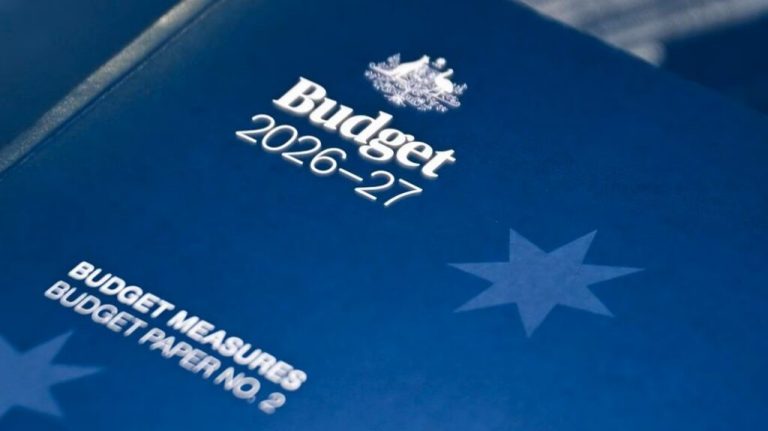
The 2026 Federal Budget has introduced sweeping structural shifts across individual income tax, small-to-medium enterprise (SME) concessions, capital gains tax (CGT), negative gearing, and family trust distributions. As these proposals progress through legislation, private enterprises, property investors, and family groups must proactively evaluate their tax positions.
Below is our executive summary of the key tax measures announced on Budget Night and their strategic implications.
1 | Individual Income Tax
- Personal Tax Rate Cut: Effective 1 July 2026, the tax rate for the $18,201 to $45,000 income bracket will be reduced from 16% to 15%. This rate will decrease further to 14% starting 1 July 2027.
- Working Australians Tax Offset: Introduction of a $250 tax offset targeted at supporting working individuals.
- Standard Deduction: Introduction of a $1,000 standard deduction for work-related expenses, streamlining compliance for individual taxpayers.
2 | SME & Business Incentives
1. Instant Asset Write-Off
- The $20,000 Instant Asset Write-Off threshold has been extended, continuing to support eligible small businesses with immediate capital expensing.
2. Loss Carry-Back Mechanism
- Companies that incur a tax loss can carry back that loss for up to two prior income years to offset previously paid corporate tax, enabling eligible businesses to claim a tax refund and improve cash flow.
3 | Capital Gains Tax (CGT) Reform
Under current rules, assets held for more than 12 months benefit from a 50% CGT discount. The 2026 Budget proposes substantial structural modifications:
- Indexation Replacement: Transitioning toward calculating capital gains based on inflation (inflation indexation).
- Minimum Tax Rate: Introduction of a 30% minimum tax rate on capital gains.
Key Implementation Notes:
• New rules are scheduled to take effect from 1 July 2027.
• Grandfathering: The new policy applies strictly to future asset appreciation and does not retroactively target accumulated capital gains prior to implementation.
• New Residential Investments: Investors may elect between legacy rules or the new reform framework for newly constructed residential property investments.
4 | Negative Gearing
For properties acquired from 1 July 2027, significant restrictions are introduced:
- New Builds Focus: Negative gearing tax incentives will be restricted exclusively to newly constructed residential properties (new builds).
- Existing/Second-Hand Property Losses: Rental losses generated from secondary (established) investment properties can no longer be directly offset against salary or business income. However, these losses can be carried forward to offset future rental income streams.
Grandfathering Protection: Investment properties acquired prior to Budget Night (12 May 2026) remain unaffected by these changes, maintaining their existing tax treatment.
5 | Discretionary / Family Trust
Effective 1 July 2028:
- 30% Minimum Tax: Discretionary Trust distributions will be subject to a 30% minimum tax rate.
- Tax Credits: Individual beneficiaries can obtain corresponding tax credits.
- Bucket Companies: Corporate beneficiaries will be unable to obtain corresponding 30% tax credits.
Exemptions:
• Charitable trusts
• Disability trusts
• Testamentary trusts
• Fixed trusts
Providing 3-year restructuring rollover relief (from 1 July 2027).
Impact:
• Income splitting space narrows
• Bucket company tax advantage decreases
• Trust distribution tax results tend to be more uniform
(Above are budget proposals, still subject to parliamentary passage)
Summary & Strategic Outlook
This tax reform will have the greatest impact on individual investors, family trusts, investment properties, and share investors. The tax advantages of traditional property + trust + income splitting are tightening.
In contrast, SMSF current tax rules remain unchanged (accumulation phase remains at 15%). Future tax incentives will be more tilted toward new residential housing and superannuation environments, and more investors may re-evaluate holding long-term assets through SMSF.
If you have any questions regarding how these proposed changes may impact your personal or corporate tax structure, or if you need assistance evaluating your position, please feel free to reach out to our team.
Disclaimer: This document is prepared for general informational purposes only and does not constitute formal tax advice.
Navigating the 2026 Budget & Beyond with Sunrise Tax
Understanding how the latest 2026 budget changes impact your wallet or bottom line can be complex, but you don’t have to navigate it alone. At Sunrise Tax, we provide expert tax, accounting, and growth strategies tailored to keep you ahead of regulatory updates.
Whether you are looking for clear guidance on your personal tax return, proactive planning for your business, or long-term growth strategies, our team is here to help. Explore our full range of professional accounting solutions on our Services Page, or jump directly into what matters most to you:
Personal Taxation Services: Maximize your return, optimize deductions, and stay compliant with individual tax requirements.
Business Taxation Services: Streamline your company tax returns, manage GST and BAS compliance, and minimize tax liability.
Business Advisory Services: Scale your enterprise with proactive cash flow forecasting, strategic financial planning, and structural advice.
Ready to optimize your financial strategy? Contact Sunrise Tax today to book a consultation with our experienced advisors.